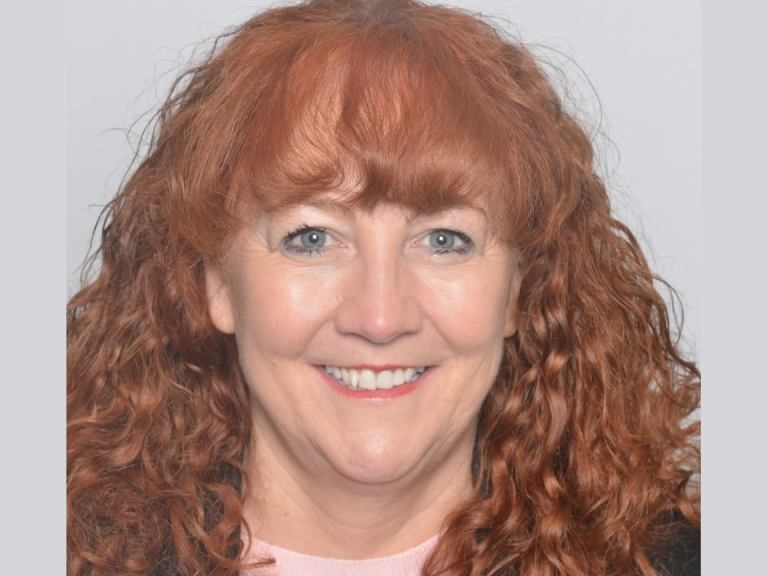
Majella McCarthy, Director of Children’s Services, Stockton on Tees Borough Council
As I reflect on the first three months following the launch of our Integrated Front Door- Family Help Point, I feel an overwhelming sense of pride in what has been achieved through collective effort, shared ambition and a genuine commitment to working differently for children and families.
For many of us working in children’s social care, the challenges facing families are becoming increasingly complex. Demand continues to grow, resources are stretched, and yet our responsibility remains the same: to ensure children receive the right help, at the right time, in the right way. Against that backdrop, our Family Help Point represents more than a service redesign. It is a statement of intent about the kind of system we want to create for children, young people and families.
From the outset, this ambition was championed at every level of the organisation. The vision, drive and unwavering commitment of our corporate and political leaders provided the platform for us to think boldly and act decisively. Their support reflected a shared belief that investing in earlier intervention, strengthening partnerships and improving outcomes for children and families is everyone’s business, not just that of Children’s Services. That collective leadership gave us both the confidence and the permission to innovate, challenge traditional ways of working and build something genuinely transformational.
What has been equally important has been the commitment from colleagues right across our corporate services. Too often, transformation within children’s services is seen as something delivered by frontline practitioners alone. Our experience has been very different. This has been a whole-council endeavour. From digital and technology teams, HR, finance, legal services, communications, business support, data and performance teams, colleagues have worked alongside us with a shared sense of purpose. Their expertise, dedication and willingness to embrace change have been instrumental in turning ambition into reality.
We have also seen the impact on our workforce. Colleagues consistently tell us that having trusted partners alongside them has strengthened professional confidence, improved shared decision-making and created a culture where complex challenges can be worked through collectively rather than in isolation.
The launch of the Family Help Point is a reminder that creating better outcomes for children and families requires the effort of an entire organisation working together.
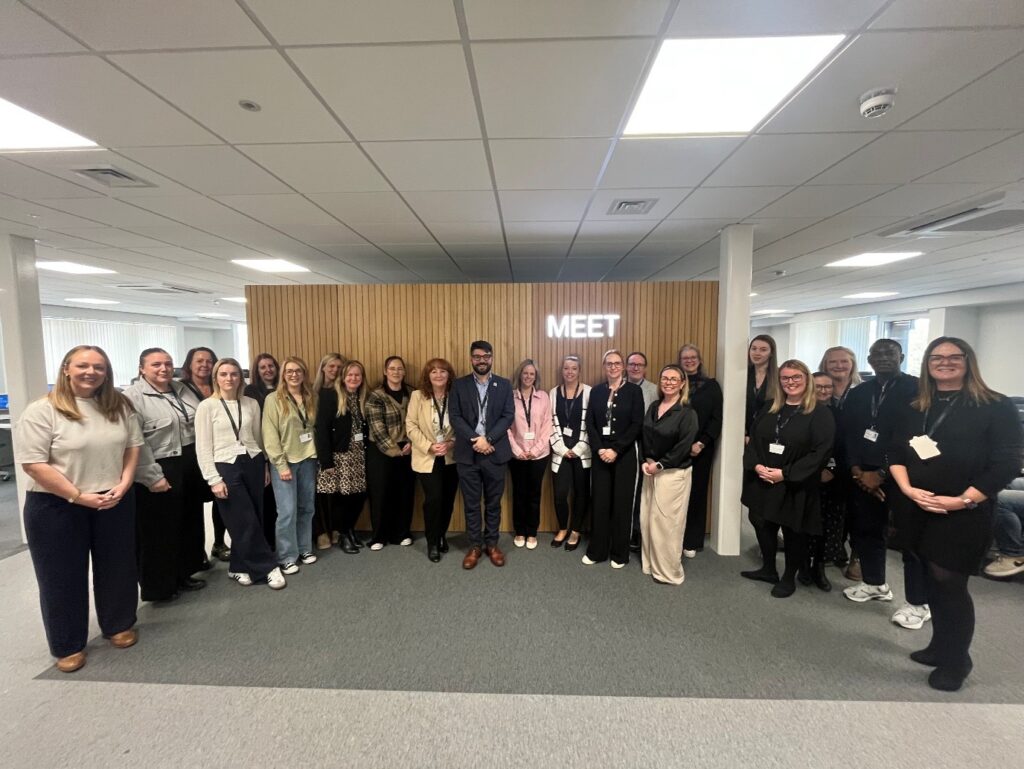
From the beginning, this was built on relationships. While strategic leadership was critical, it was the willingness of partners to come together around a shared purpose that truly made the difference. Rather than operating within organisational boundaries, colleagues committed to thinking and acting as one team. We invested time in building trust, understanding each other’s perspectives and creating a shared culture focused on improving outcomes for children and families.
As children’s services leaders, we often talk about the importance of relationships, but this experience has reinforced just how fundamental they are. Relationships are not an additional feature of good practice; they are the foundation on which effective practice is built.
That principle is reflected in our commitment to systemic practice. We have worked hard to create an environment where curiosity, reflection and collaboration are at the heart of decision-making. We recognise that children’s experiences are shaped by the wider systems around them and that meaningful change happens when we understand family strengths, networks and relationships. Our approach encourages professionals to work alongside families, building trust and identifying solutions together rather than focusing solely on presenting issues or deficits.
This strength-based approach recognises that families are experts in their own lives. By creating space for meaningful conversations and understanding what matters to children and those who care for them, we are better able to identify sustainable solutions that build on existing strengths and relationships.
Today, the Family Help Point brings together a broad range of expertise in one place. Alongside children’s social care colleagues, we have professionals from police, health, education, early help, SEND, domestic abuse services, and drug and alcohol support services. We have also strengthened our links with probation and a range of voluntary and community sector partners. The ability to have these conversations together, in real time, is helping us make better-informed decisions and provide more coordinated support. Importantly, these professionals are not simply co-located; they are working as one team around the needs of children and families.
We are also embracing technology as part of the solution. Whilst relationships remain central, technology can help us respond to increasing demand and improve access to support. By developing digital pathways, online information and accessible sources of advice, we are enabling children, families and professionals to access help more quickly and more easily. Used well, technology complements rather than replaces relational practice, helping us connect people to the right support at the right time while ensuring our workforce can focus its expertise where it is needed most.
Throughout this journey, we have remained committed to learning. We have used performance data to understand demand, monitor impact and identify opportunities for improvement. Equally valuable has been the support and challenge provided by our Sector Led Improvement Partner. Their feedback has encouraged us to remain reflective, curious and aspirational. We have deliberately avoided measuring success solely against our starting point. Instead, we have focused on where we want to be and what children and families deserve from us as a system. Our ambition is not simply to improve services but to create a model of Family Help that reflects the very best of what local government, partners and communities can achieve together.
While still in its early stages, the impact is encouraging. Feedback from staff and partners has been overwhelmingly positive. Colleagues speak about stronger relationships, improved communication and more effective joint decision-making. We are also seeing early indications of a reduction in contacts progressing to statutory intervention, with more families being supported through Early Help pathways. For me, this is particularly encouraging because it suggests we are beginning to shift the system towards prevention and earlier support rather than crisis intervention. This is exactly the direction of travel envisaged through both the Children’s Social Care and SEND reforms.
For those of us across the North East and nationally who are shaping Family Help and Multi-Agency Child Protection Teams (MACPT) arrangements, this feels significant. The reforms ask us to think differently, work differently and organise ourselves around the needs of children and families. Our experience over the last twelve months demonstrates that this is possible when there is strong political and corporate leadership, committed partners, a confident workforce and a culture rooted in relationships.
We are still at the beginning of the journey and there is much more to learn, develop and refine. However, as we celebrate this important milestone, it is worth recognising what has made it possible: ambitious leadership, dedicated corporate services, committed partners, systemic and relational practice, intelligent use of technology, evidence-informed decision-making and a culture that welcomes learning and challenge.
Most importantly, this journey has reinforced a simple truth that sits at the heart of children’s social care: meaningful change happens through relationships. When children and families feel heard, when professionals work together with trust and shared purpose, and when services respond with compassion rather than complexity, better outcomes follow. The Family Help Point is helping us create those conditions every day.
The early success of our Family Help Point belongs to everyone who has contributed to it. It reflects what can be achieved when an entire organisation, alongside its partners, comes together with a shared ambition for children and families. That is the future we are building, and I am excited about what we can achieve together in the months and years ahead.